
5 Places to Dive in Gran Canaria — and When Snorkelling Is the Better First Adventure
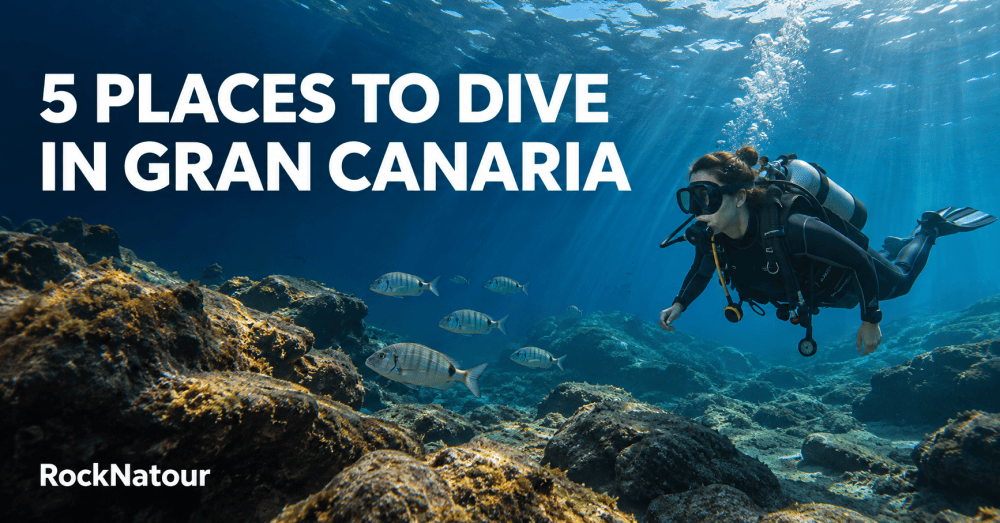
Gran Canaria has underwater cliffs, sheltered bays, busy fish life and even shipwrecks. But the best underwater experience depends on what you really want. Are you keen to learn scuba, or do you simply want to see fish and enjoy being in the sea? These five areas will help you decide.
1. El Cabrón: the classic for experienced divers
Off Arinaga, El Cabrón is famous for a rocky drop-off, caves and schools of fish. The official island dive guide describes currents as frequent and rates the dive at medium difficulty. It is a wonderful place to explore with a qualified dive operator, but not a casual spot to enter without checking conditions.
2. Tufia: a small cove with a big underwater world
Tufia is a little south-facing cove on the east coast, sheltered in part by its rocky headland. Divers come for the underwater landscape. The village and its protected archaeological surroundings make it interesting above water too. Visibility and sea conditions still vary.
3. Mogán: warm southwest light and a flexible sea day
The Mogán coast has underwater life and, on suitable days, sheltered water for a guided snorkel. If you do not need to go deep, this is a beautiful place to explore from the surface. Our kayak tour reaches coastal stops and caves, then adds a snorkel with guides who are also divers and can help you identify local fish. Cave access and the snorkel stop depend on the sea on the day.
Explore our kayak and guided snorkelling in Mogán
4. Sardina del Norte: a bay that welcomes divers
Sardina is a fishing port in the northwest with a bay that offers a relatively approachable entry for many divers when conditions suit. Its underwater life attracts photographers as well as people learning to dive. It is still the Atlantic: check the forecast and local advice before entering.
5. The wrecks: a different kind of dive
Gran Canaria has several wreck dives, not just one. Near Mogán, the former fishing boat Cermona II lies at around 20 metres and has become a home for marine life. Off El Pajar, the Meteor II is a sunken hydrofoil. These are boat-access scuba dives for suitably trained visitors with an operator. They are not wrecks you can expect to see on a normal beach snorkel, and entering a wreck calls for specific training and judgement.
First scuba dive or guided snorkel?
A discovery scuba dive can be a brilliant start if your dream is to breathe underwater and learn the equipment. But your first session also involves instruction, equalising your ears and getting used to the gear. If what you really want is to relax, float and watch fish, a guided snorkel can be the more enjoyable introduction. You can focus on the colours and movement of the sea from the first minute, without committing to a scuba lesson.
With RockNatour, the snorkel is part of a bigger coastal adventure: paddle, discover the cliffs and let a guide point out the marine life when conditions allow. You can always try scuba on another day if the deeper world calls you.